Welcome to The Women's Wellness Blog
TRANSFORMATION

JANUARY
After two weeks post-surgery, I recovered from Shingles, but my low immunity, loss of hair and increased levels of neuropathy meant the skin on my back, chest, legs and feet was constantly tingling, sometimes causing cramps and discomfort. My recovery was slow, and I was seeing changes in my health and how my body was not responding, even when I was doing everything right. I created my healing and recovery program and knew that in time I would be back on my feet again.

MARCH
Feeling a bit better, but I had a few issues to sort out, including compromised gut health and skin and nail issues due to my low immunity. I relied on concealers to mask my ever-increasing Melasma. I started prioritising my wellbeing through meditation and prayer, and the calm and peace I felt replaced my fears and anxieties. I felt assured that the healing process had already begun, but it would take a few more weeks or months before I was fully recovered.
,

MAY
I was gifted a well-deserved getaway in mid-March by a dear friend, which was a much-needed break, and it carried me through the whole of Spring when I returned as the weather warmed up. My immunity started to improve, and this photo was taken in May, on the day I turned 67. Feeling blessed for those who celebrated with me and made this day special. I realised that to heal and restore my compromised health and wellbeing is to address every aspect of my mind and body before I can start seeing and feeling the transformation.

OCTOBER
I am glad that I stuck to some of my non-negotiables in my self-care, as I feel confident in how the steps and processes that I adhered to have become my healing and restorative path to my recovery since January. It is the purpose for all that I do, as the belief in self-care is the best remedial tool you can have, and it doesn't have to be complicated- just the desire for a better ageing process, along with resiliency and consistency, is needed.

Aging As A Woman
Common Health Issues. Mindset & Well-being. Quick Tips. Never Too Late To Start Now
Welcome to the Wellness Blog, a supportive space created to help you understand the natural changes that come with this stage of life.
Here you’ll find clear, compassionate guidance on the topics that matter most to women in their fifties, sixties, and beyond, from menopause and hormonal shifts to inflammation, energy, emotional well-being, sleep, stress, and nourishing nutrition.
This space is designed to empower you with knowledge, practical insights, and gentle encouragement as you navigate your well-being with confidence and clarity.
Gut Health
Why It Matters
My health and wellbeing have always been closely tied to the state of my gut. As I move through my later years, I've learned that my gut is often the first place to show signs of imbalance, especially when my emotional or mental wellbeing is under strain. The phrase "gut feeling" isn't just a metaphor. It reflects the very real connection between the gut and the brain, a relationship that many of us are only now beginning to understand.
For years, I struggled with allergies, food intolerances, skin flare-ups and unpredictable reactions that left me feeling frustrated and uncomfortable. It wasn't that I didn't understand how food and lifestyle choices could affect me. I did. However, throughout my life and career, I often found it difficult to say no when offered foods or placed in situations that seemed harmless at the time. Only later would I realise that those choices weren't serving my health and wellbeing.
The consequences were significant. I experienced severe asthma, recurrent upper respiratory issues, hives and relentless itching that affected my comfort and quality of life.
When I finally committed to restoring my gut health, I approached it gently but intentionally. I introduced a high-quality probiotic, added oregano oil and black seed oil to my daily routine, and supported these changes with warm lemon water and L-glutamine. Within days, I noticed a remarkable difference. My digestion felt calmer, my skin became less reactive and my energy levels began to improve.
If you'd like to learn the exact steps I took and the daily habits that helped me restore balance, you can download my free tip sheet:
How I Restored My Gut Health

The Morning Collagen Ritual
Hydrate, Refresh & Revitalise
Collagen has become one of the most talked‑about topics in women’s wellness — from social media ads to TV campaigns promising to “boost” or “rebuild” our declining levels. Powders, supplements, potions… we’re offered endless ways to stay youthful. But at sixty‑seven, I’ve learned that true collagen support goes far deeper than what we apply. It begins with how we nourish, replenish, and care for our natural collagen‑building system from within.
I tried Marine Collagen daily for a few months, but eventually had to reduce my dosage because it affected my digestive comfort. That experience pushed me to explore plant‑based and non‑plant alternatives — foods and habits that genuinely support collagen production without the side effects or the cost. What I discovered was so effective that I created a free guide and a course for women who want a more natural, budget‑friendly approach to collagen health.
The essentials are simple: leafy greens, healthy fats, hydration, movement, restorative sleep, and stress‑reducing practices. When these become daily habits, your skin can begin to look more refreshed and revitalised within weeks.
My own ritual begins with warm lemon water, key vitamins, and a protein‑rich breakfast, followed by collagen‑supportive meals like avocado bowls, vegetable‑ginger soups, and plant‑based dinners. With better sleep and consistent habits, my skin, hair, and energy have noticeably improved. Natural collagen support is simple, sustainable, and truly revitalising.
Collagen isn’t just a trend. It’s a daily practice of nourishment, rest, and gentle consistency. And when you support your body from within, it shows.


Digestive Discomfort & Inflammation
Digestive comfort isn’t just about what we eat — it’s about how gently we support the systems that carry us through every day. Over time, I’ve learned to listen to the quiet “teachers” in my own body: the signals that guide me toward gut‑friendly foods, calmer routines, and habits that soothe inflammation rather than stir it up.
These lessons have shaped the foundation of my Meal Plan Series and The Ultimate Cleanse Guide, where simple, nourishing choices help restore balance, reduce irritation, and bring the digestive system back into harmony. When we support the gut, we support everything — energy, mood, immunity, and long‑term wellbeing.
Digestive comfort is a practice, not a quick fix. It’s the daily act of choosing foods that calm, rituals that ground, and rhythms that allow the body to reset. And when we do, inflammation softens, clarity returns, and the whole body feels more at ease.
Find out how you can reduce symptoms of digestive issues and inflammation with my FREE guides and courses
Turmeric for Inflammation & Pain
My Morning Ritual
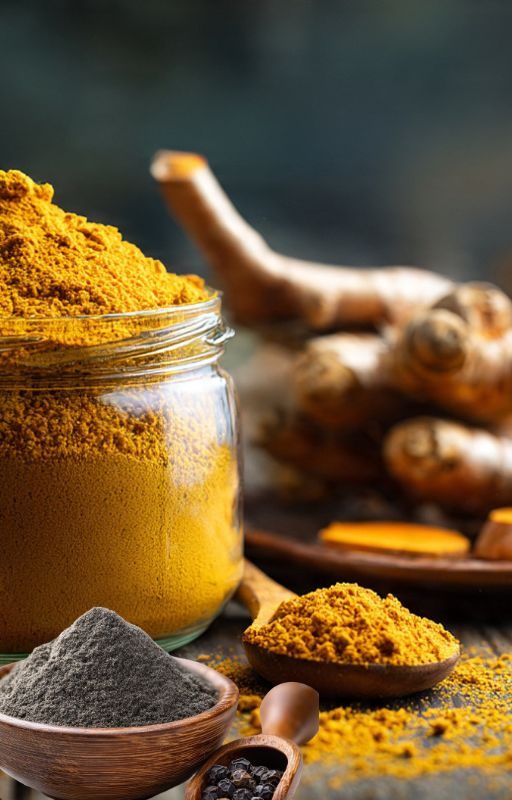
Turmeric is one of the most sought-after spices, whether in Asian dishes or used as remedial infusions, and as a revered spice in Ayurverdic Medicine. I remember as a child of eight, how my mother would make a poultice with gently heated turmeric in olive oil and carefully dabbed the warm mixture onto my twisted ankle after jumping from a tree branch onto the ground. This happened several times, and with a scolding followed by this treatment, I never suffered any discomfort or pain once the turmeric-warm-oil mixture was applied. Even though it stained my skin for several days, it didn't stop me from my little adventures throughout my childhood.
Today, I take it daily in a pint of warm water with a dash of Raw Apple Cider Vinegar or a squeeze of lemon juice, and a little sprinkling of cayenne pepper, before breakfast. It helps reduce inflammation and supports my digestion and metabolism.
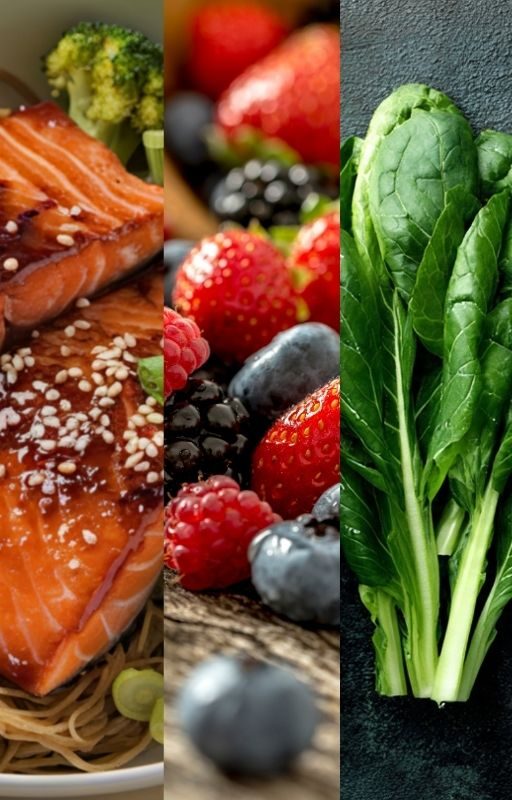
The 3 Foods that I can't do without, almost daily....
They protect me from inflammation
Fatty Fish are the richest natural sources of Omega‑3 fatty acids, essential fats that the body cannot produce on its own. They help reduce inflammation throughout the body, support heart health, nourish the brain, and ease stiffness in the joints. They’re especially supportive for women 50+ as hormone shifts can increase inflammatory responses.
Berries, consisting of blueberries, raspberries, strawberries, and blackberries, are packed with antioxidants, fibre, and polyphenols, natural compounds that help protect cells from inflammation. calm oxidative stress, support brain health, balance blood sugar, and nourish the gut microbiome. Their anti‑inflammatory properties make them a powerful daily choice for energy, skin health, and cognitive clarity.
Leafy Greens are rich in vitamins A, C, K, magnesium, and plant compounds that help regulate inflammation. They support bone health, digestion, hormone balance, and immune function. Their high nutrient density makes them one of the most effective daily foods for reducing inflammation naturally.
Post-Operation Recovery
A Gentle Return from Inflammation
In my mid‑thirties, at eight stone and working as a professional singer, I was gifted breast implants to fit the image expected of me at the time. I couldn’t have known that, decades later, a serious undetected issue would develop beneath the surface — something I only discovered after years of travelling and performing. It taught me how easily we can be shaped by the expectations around us, and how important it is to honour our natural bodies long before we realise their true value.
Earlier this year, I underwent surgery to address a long‑standing capsular contracture. What should have been a simple procedure became more complex when a biopsy revealed one implant had split, followed by shingles and digestive issues as my immunity dipped and my body reacted to the anaesthetic.
Trusting my intuition, I created a gentle recovery plan — beginning even before the operation. I leaned into meditation and prayer, homoeopathy, supportive supplements, gentle core‑strengthening exercises, and meaningful shifts in my diet and habits: more protein and vegetables, better hydration, marine collagen, and deeper, more restorative sleep.
It took patience and persistence, but my body found its way back to balance. Today, I feel stronger and more energised than before as I continue in my wellness and well-being journey, a reminder that caring for ourselves with respect and intention, at any age, is one of the greatest gifts we can give our future selves.


Menopause & Hormones
Thriving Through Hormonal Change
Menopause brings a natural shift in hormones that can influence everything from mood and sleep to energy, weight, and overall wellbeing.
While every woman’s experience is unique, many symptoms can be eased through supportive lifestyle choices — nourishing foods, gentle movement, stress‑reducing practices, and daily habits that help stabilise hormones and calm inflammation.
Creating space for rest, prioritising emotional balance, and staying connected to your body’s changing needs can make this transition feel more manageable and empowering.
Explore practical ways in the guide below to support yourself through this stage and move forward with confidence and clarity.
Inflammation & Pain
Gentle Ways to Reduce Discomfort and Support Your Body
As we move through midlife and beyond, many women notice new aches, stiffness, or persistent discomfort linked to increased inflammation in the body.
These changes can be influenced by hormones, stress, sleep patterns, and the natural ageing process, but there is so much you can do to ease symptoms and support your body.
Gentle movement, nourishing anti‑inflammatory foods, restorative sleep, and daily stress‑reducing practices can all help calm inflammation and reduce pain.
By tuning into your body’s signals and making small, sustainable lifestyle choices, you can improve mobility, boost comfort, and feel more at ease in your day‑to‑day life.


Energy & Fatigue
Rebuilding Vitality Through Simple, Sustainable Daily Choices
Many women notice shifts in energy levels during their fifties and sixties — from sudden dips in motivation to a sense of ongoing tiredness that doesn’t always match their lifestyle.
These changes can be influenced by hormones, stress, sleep quality, nutrition, and the body’s natural ageing rhythms. The good news is that small, intentional lifestyle choices can make a meaningful difference.
Nourishing foods, gentle daily movement, restorative rest, and simple stress‑reducing practices can help stabilise energy and reduce fatigue.
By listening to your body and supporting it with consistent, sustainable habits, you can rebuild vitality and feel more energised throughout your day.
Emotional Wellbeing
Cultivating Calm, Clarity, and Inner Balance in Midlife and Beyond
Emotional wellbeing can feel more tender and complex during our fifties, sixties, and beyond, as hormonal shifts, life transitions, and changing roles all influence how we feel day to day.
Many women experience waves of anxiety, low mood, irritability, or a sense of emotional heaviness without always understanding why.
These feelings are completely natural — and with mindful choices, supportive routines, and gentle lifestyle adjustments, it’s possible to cultivate a deep sense of peace and acceptance in this stage of life.
Simple practices such as grounding rituals, nourishing movement, meaningful connection, and creating space for rest can help stabilise emotions and restore inner balance.
By honouring your energy, listening to your body’s cues, and choosing habits that support your wellbeing, you can move through your sixties and beyond with greater clarity, calm, and a renewed sense of vitality and fulfilment.


Sleep & Stress
Creating Restful Rhythms and Easing the Pressures of Daily Life
Sleep and stress often become more intertwined as we move through our fifties, sixties, and beyond.
Hormonal changes, life transitions, and shifting energy levels can all affect how easily we fall asleep, stay asleep, and wake feeling restored.
At the same time, ongoing stress — whether emotional, physical, or lifestyle‑related — can place extra pressure on the body and mind, making rest even harder to achieve.
The encouraging news is that small, mindful choices can make a meaningful difference. Gentle evening routines, calming breathwork, nourishing foods, and simple stress‑management practices can help regulate your nervous system and support deeper, more restorative sleep.
By honouring your body’s natural rhythms and creating space for calm, you can reduce stress, improve sleep quality, and move through your days with greater clarity, steadiness, and vitality.
Nutrition for Vitality
Transformational Foods That Nourish, Energise, and Support Long-Term Health
Nutrition becomes one of our greatest allies as we move through our fifties, sixties, and beyond. The right foods can calm inflammation, stabilise energy, support hormonal balance, and nourish every system of the body.
Transformational foods — those rich in antioxidants, fibre, healthy fats, and essential nutrients — work in synergy to strengthen immunity, improve digestion, and enhance overall vitality.
Simple, mindful choices such as colourful vegetables, leafy greens, berries, nuts, seeds, whole grains, and omega‑rich foods can create powerful shifts in how we feel day to day.
By tuning into what your body needs and choosing foods that truly support your well-being, you can cultivate lasting energy, clarity, and a renewed sense of health from the inside out.

Transformational Health & Wellbeing
As an advocate of healthy eating and lifestyle practices, the following topics stem from my analytical and scientific research and personal journey. I have always depended on the remedial effects of food and lifestyle practices to heal and restore my health and wellbeing.
I am happy to share this compiled information to encourage its integration into your daily routine for your health and wellbeing.
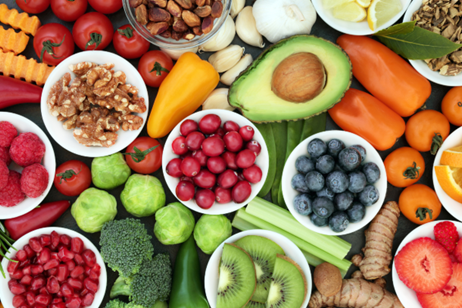
Transformational Foods
Introducing transformational foods, which possess potent healing properties that can boost our immune and digestive systems, leading to enhanced heart, lung, and overall organ health.
The synergy of nutrients in these foods serves as a natural remedy for health ailments and is highly valued as a transformative approach to self-care and maintaining wellbeing.
Incorporating these foods into our daily diet, along with mindful lifestyle choices, can play a crucial role in transitioning from persistent health issues to alleviating symptoms or even eliminating them entirely.
The Immune System
Approximately 70% of our immune cells reside in the gut. A well-balanced microbiome helps regulate immune responses, preventing overreactions (autoimmune diseases) or underreactions (increased susceptibility to infections). Certain gut bacteria produce short-chain fatty acids (SCFAs) that promote immune health.
Lifestyle and diet play an important part in keeping our immune system strong and healthy. A balanced diet, regular exercise, adequate sleep and hydration, and avoiding smoking and excessive alcohol are just some of the practices we can incorporate into our daily routines to support our immune system and to keep us healthy.
Heart Health & Circulation
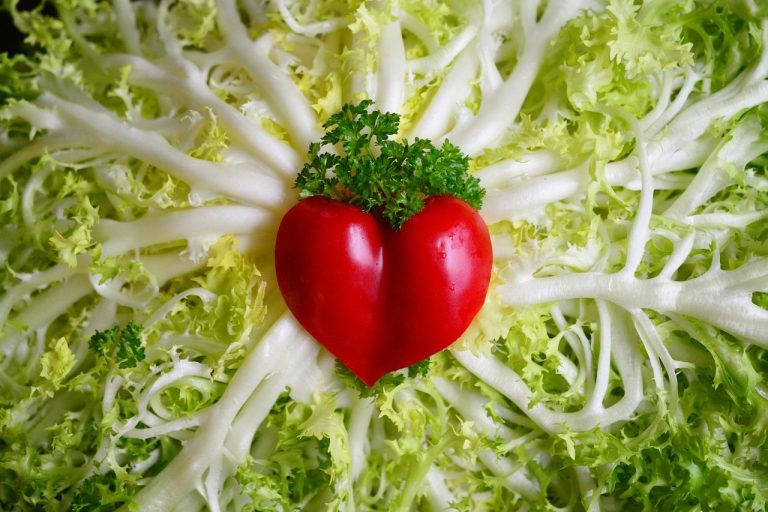
Supporting a healthy heart begins with simple, consistent lifestyle choices that nourish your whole body. Regular movement, balanced nutrition, and foods known to benefit cardiovascular health all play an important role in keeping your heart strong. Adjusting daily habits, such as reducing alcohol intake, maintaining healthy cholesterol and blood pressure levels, managing weight, and avoiding smoking or passive exposure, can make a meaningful difference over time.
By understanding your own limits and practising moderation, you can protect your heart, boost your overall wellbeing, and feel more energised and resilient in your day‑to‑day life.
Digestive Health
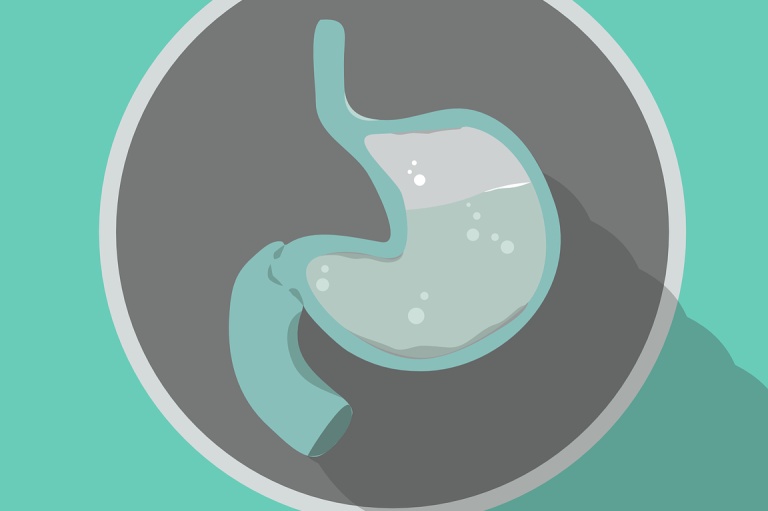
The crucial and most important thing to remember is that your digestive system is your ‘Second Brain’ which means any issues that are experienced in the gut are directly connected via the vagus nerve to your brain.
The vagus nerve is the largest nerve in our body having a direct connection both ways between our brain and our gut or digestive system, and to our immune system.
When our digestive system is compromised, it can lead to various health problems such as heart and brain issues, circulation problems, difficulty focusing, skin concerns, and low energy levels.
Nutritional Synergy
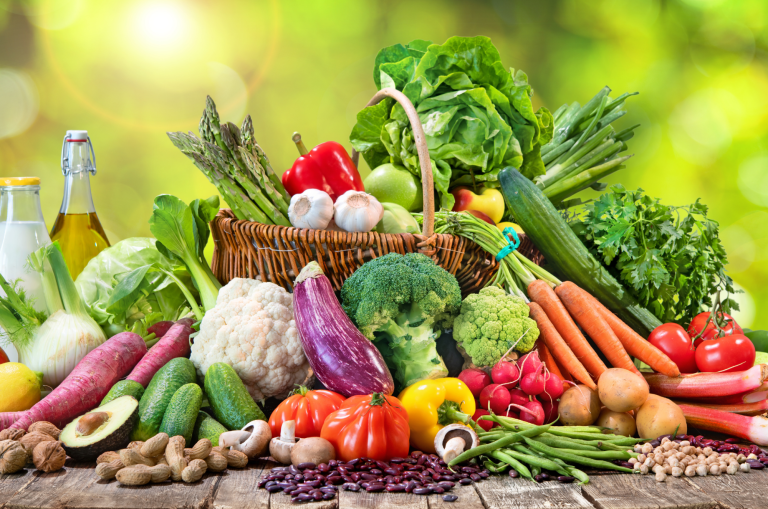
Nutritional synergy is the powerful way foods work together to support optimal health, energy, and wellbeing. Rather than focusing on single nutrients, this approach celebrates how whole, colourful, nutrient‑rich foods combine to calm inflammation, strengthen immunity, and nourish the body at every level. No matter your age or past habits, there is always room for positive change. Understanding how transformational foods interact — from antioxidants and healthy fats to fibre and phytonutrients — becomes a lifelong investment in your vitality. Exploring this synergy can help you feel more energised, balanced, and empowered in your daily life.
Balanced Diet
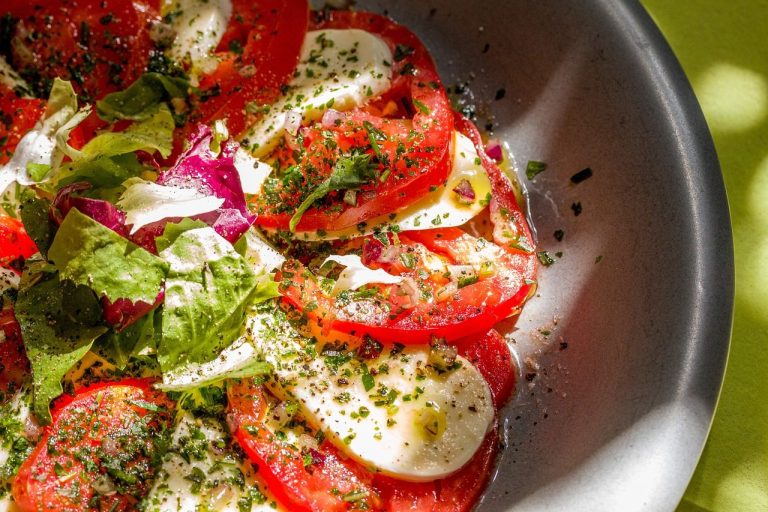
Understanding how to implement Macronutrients and Micronutrients in your diet for optimal health is a lifelong health investment for continued good health and well-being.
In this PDF, you will have the information on how to combine these transformational foods for a balanced diet.
The aim is not to have a limited diet but to fill it with wholesome, vibrant and colourful types of foods that are suitable for your dietary needs, and have high nutritional values, providing satiety that is beneficial for your health.
Introducing thirty plant foods each week in your diet has proven to support your gut by creating a diversity of gut microbes, which are essential for our health and well-being.
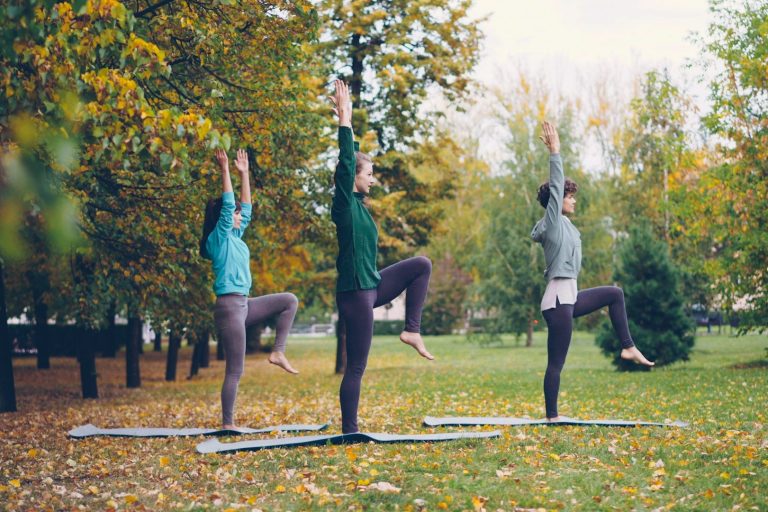
Exercise: N.E.A.T, Tai Chi, Stretching
Engaging in physical activity is crucial for enhancing overall health and increasing our capacity to perform daily tasks.
N.E.A.T. (Non-Exercise Activity Thermogenesis) consists of daily movement such as cleaning, gardening, and walking.
Activities such as Yoga, resistance exercises with weights, or swimming in your daily or weekly routines can enhance brain health, maintain weight, lower the chances of illness, and fortify bones and muscles. It also helps to reduce stress levels, clinical depression and promotes better mood and sleep quality.

Breathwork & Relaxation
Correct breathing is essential for maximising our lung capacity. It involves extracting oxygen from the air we inhale and transporting it to our tissues and organs through the bloodstream.
Breathing correctly can support our health and wellbeing and occasionally introducing deep breathing exercises, not only will it clear your lungs and expelling stale air, it will strengthen your core and abdominal muscles as part of your physical fitness.

Core Strength & Balance
Insufficient core muscle strength can result in increased fatigue, reduced endurance, and a higher likelihood of injuries.
Introducing beneficial exercises and stretches will reduce the risk of poor posture, lower back pain, and muscle injuries.
Our body disposition is also key when everyday life habits such as sitting, walking, resting and sleeping can affect our physical health if our core strength is weak.
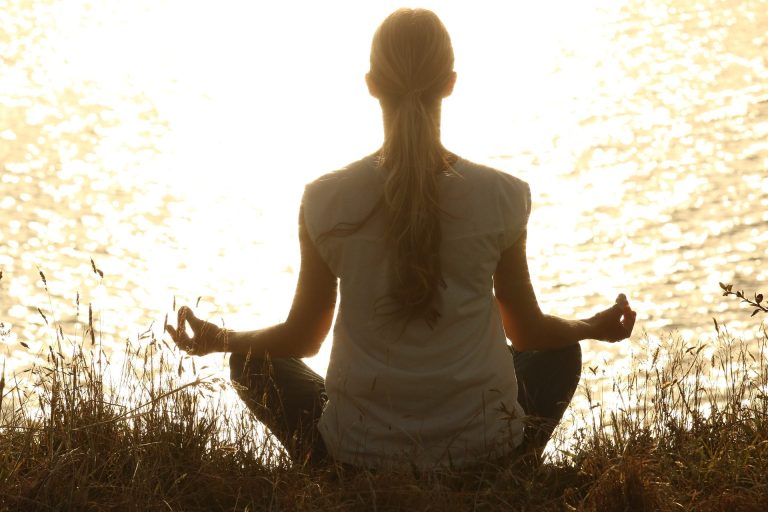
Meditation & Visualisation
Research shows that meditation supports neuroplasticity, helping the brain stay adaptable and resilient as we age. Studies also reveal positive changes in brain connectivity among regular practitioners, highlighting its role in focus, calm, and emotional balance.
Life can bring unexpected challenges, but turning inward through meditation and visualisation can help shift your mindset and create a greater sense of peace. Visualising positive outcomes or calming scenes works alongside meditation to reduce stress, build clarity, and support a more grounded, accepting outlook.

Sound Therapy & Healing
Sound therapy relies on the therapeutic vibrations produced by specific tools and devices, generating sound waves that stimulate the parasympathetic nervous system.
This helps to alleviate the stress response known as 'Fight or Flight'. The therapy aids in regulating breathing and heart rate, promoting a profound sense of peace and tranquility, ultimately enhancing focus and creativity.
The varying frequencies measured in Hertz can stimulate the pineal gland achieving clarity, heightened awareness and spirituality.

Spirituality, Prayer & Meditation
Spirituality can become a deeper source of comfort and meaning as we move through life’s later chapters. Many women find that reconnecting with their inner wisdom — through reflection, prayer, nature, gratitude, or quiet moments of stillness — helps them feel more grounded and supported.
These practices can offer a sense of perspective, ease emotional tension, and strengthen resilience during times of change. By nurturing your spiritual wellbeing in whatever way feels authentic to you, it becomes easier to cultivate peace, acceptance, and a renewed sense of purpose as you navigate this stage of life.